
Source: https://hntrbrk.com/csg/
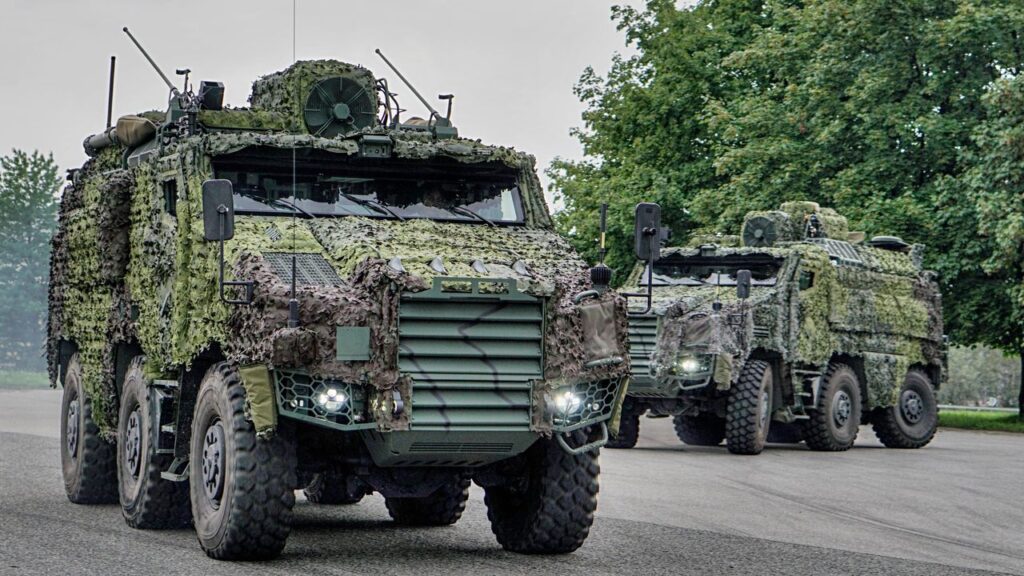
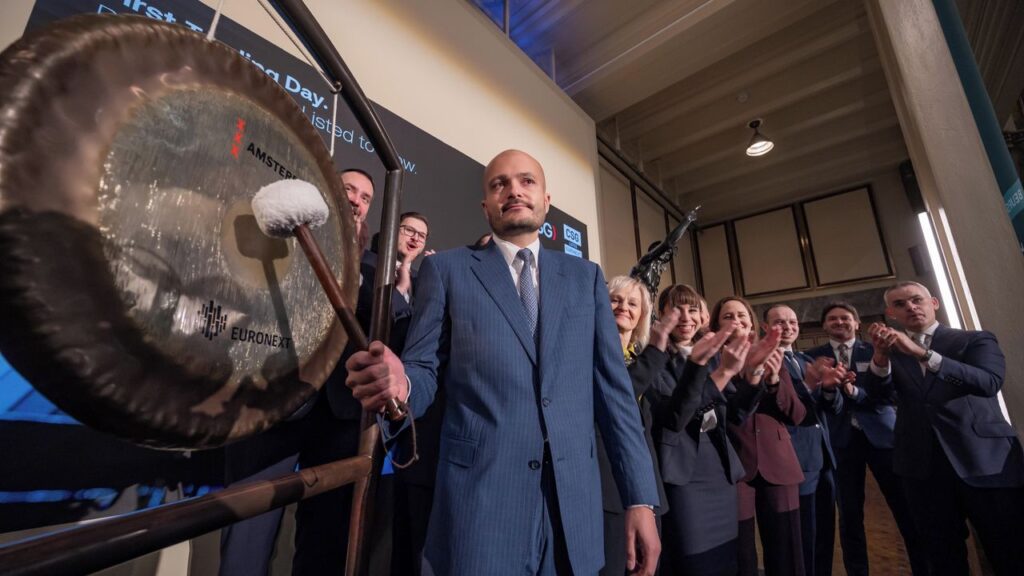
The article describes CSG as a company that went public on the Amsterdam Stock Exchange in early 2026 with an exceptionally strong investment story: European nations are arming themselves, Ukraine is consuming massive amounts of ammunition, and CSG presents itself as one of the key European players capable of supplying medium- and large-caliber ammunition. According to Hunterbrook, however, investors may have bought something different from what was suggested to them—not a fully vertically integrated manufacturer like Rheinmetall, but a group whose significant portion of revenue may come from the purchase, refurbishment, and resale of older ammunition.
The main concern relates to production capacity. According to the article, the prospectus stated a total capacity of roughly 630,000 rounds of medium- and large-caliber ammunition per year and also claimed that 80% of production consists of 155mm ammunition. Hunterbrook concludes from this that investors may have been led to believe that CSG produces roughly half a million rounds of 155mm ammunition per year. However, the authors claim that during their own reconstruction of the production trail, they identified only one factory capable of the final assembly of this ammunition and estimate its production to be significantly lower. When asked, CSG refused to disclose the breakdown of capacities by ammunition type and stated that it does not typically disclose such information.
Another issue is the sustainability of the business model. According to Hunterbrook, if a significant portion of the business is based on recommissioning—that is, refurbishing and returning older munitions to service—CSG’s growth depends on the availability of global stocks of usable old munitions. The article argues that these stocks may be dwindling, while demand from Ukraine and NATO remains high. The authors also note that the so-called Czech ammunition initiative may face political and financial pressure, which could weaken one of the key channels through which ammunition reaches Ukraine.
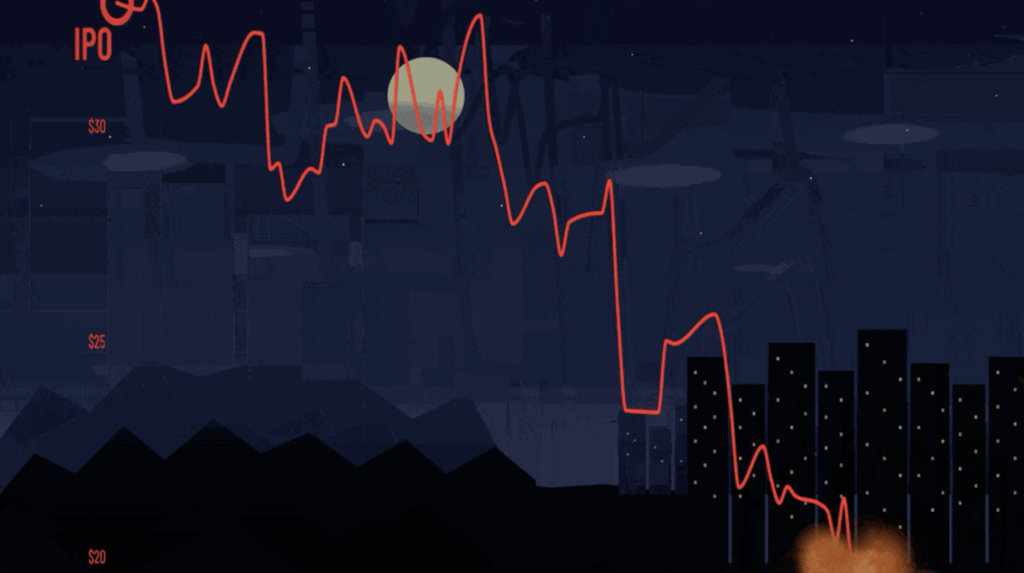
A significant portion of the text also addresses issues surrounding the IPO’s transparency. Hunterbrook notes that shortly after the IPO, information emerged about a Slovak framework contract worth up to 58 billion euros, in which—according to other investigative media outlets—the participation of the countries mentioned by the Slovak defense minister had not been confirmed. The article further describes the suspension of the Spanish FMG factory by NATO’s procurement agency due to alleged “sanctionable practices” and a dispute with Petr Kratochvíl, a minority shareholder with special rights, who reportedly demanded the buyout of his stake for 1.4 billion euros. According to Hunterbrook, these matters were not clearly and comprehensively described in the prospectus.